August 7, 2026
From prototypes and short production runs to custom fabricated assemblies, metal fabrication supports businesses that need specialized solutions. Understanding common fabrication applications can help companies identify the right processes and capabilities for their manufacturing needs. According to Gitnux, global steel fabrication output reached 1.85 billion tons in 2025.
Flexible Custom Manufacturing
Create Made-To-Order Components
Sheet metal fabrication services are commonly used to produce custom components that are built according to specific measurements, drawings, and requirements. Fabrication processes allow metal parts to be cut, shaped, and assembled into designs that match a project's intended use. These methods provide flexibility for creating parts that are tailored to individual specifications.
Custom fabricated components can include specialized parts, brackets, housings, assemblies, and other metal pieces that require precise dimensions. By adjusting fabrication methods and material selections, manufacturers can create solutions for a wide range of applications. Each component can be developed according to the needs of the project and production requirements.
Develop Prototype Parts
Prototyping allows businesses to evaluate custom metal designs before moving into larger production. Sheet metal fabrication provides the flexibility needed to create prototype components using fabrication processes similar to those used for production parts. This approach allows designs to be reviewed before additional manufacturing steps are completed.
Fabrication methods such as plasma cutting, CNC punching, forming, and welding can be used to create prototype parts based on project specifications. These processes allow manufacturers to develop accurate components while maintaining the intended design. Prototype fabrication can help support projects that require specialized metal solutions.
Precise Metal Fabrication
Cut Metal Materials
Cutting is an important step in the fabrication process because it shapes raw metal materials into the required dimensions. Precision cutting methods allow manufacturers to prepare sheet metal and plate materials for additional fabrication steps. These processes help create components with accurate measurements.
Sheet metal fabrication may involve processes such as shearing, plasma cutting, sawing, and CNC punching. These methods help create accurate components while supporting different material types and project requirements. Each cutting process can be selected based on the specifications of the finished part.
Form Custom Shapes
Metal forming allows sheet metal and plate materials to be shaped into specific designs. Through bending and forming processes, manufacturers can create components with angles, curves, and other features needed for a finished part.
These techniques help transform flat materials into customized components.
Press brake forming and roller forming provide options for creating custom metal shapes. These processes help transform metal materials into components designed around customer specifications. The right forming method depends on the shape, material, and requirements of each project.
Versatile Metal Materials
Work With Steel and Alloys
Different fabrication projects require different material characteristics, including strength, appearance, and performance. Sheet metal fabrication services may involve a variety of metals selected according to the needs of each component. Material selection plays an important role in creating suitable fabricated parts.
Common fabrication materials include steel, stainless steel, aluminum, brass, and copper. Selecting the right material helps ensure fabricated components are suited for their intended application. Working with different materials provides flexibility for custom fabrication projects.
Match Materials to Projects
Material selection is an important part of custom fabrication because each project has unique requirements. Factors such as component design, fabrication methods, and final use can influence which material is selected. Choosing the appropriate material helps support the goals of each project.
Working with multiple metal types allows fabrication projects to be customized based on specifications rather than relying on one standard material for every application. This flexibility helps manufacturers create components that align with specific needs. Each material can provide different characteristics depending on the fabrication process.
Complete Fabrication Processes
Shape Metal With Cutting Services
Cutting services help prepare metal materials for additional fabrication steps. Precision cutting allows components to be created with the dimensions needed for forming, welding, and assembly. These processes provide a foundation for creating accurate fabricated parts.
Plasma cutting and shearing are among the processes used to create custom metal components. These methods provide flexibility for projects requiring different sizes, shapes, and material types. Proper cutting techniques help support the overall quality and consistency of finished components.
Join Components Through Welding
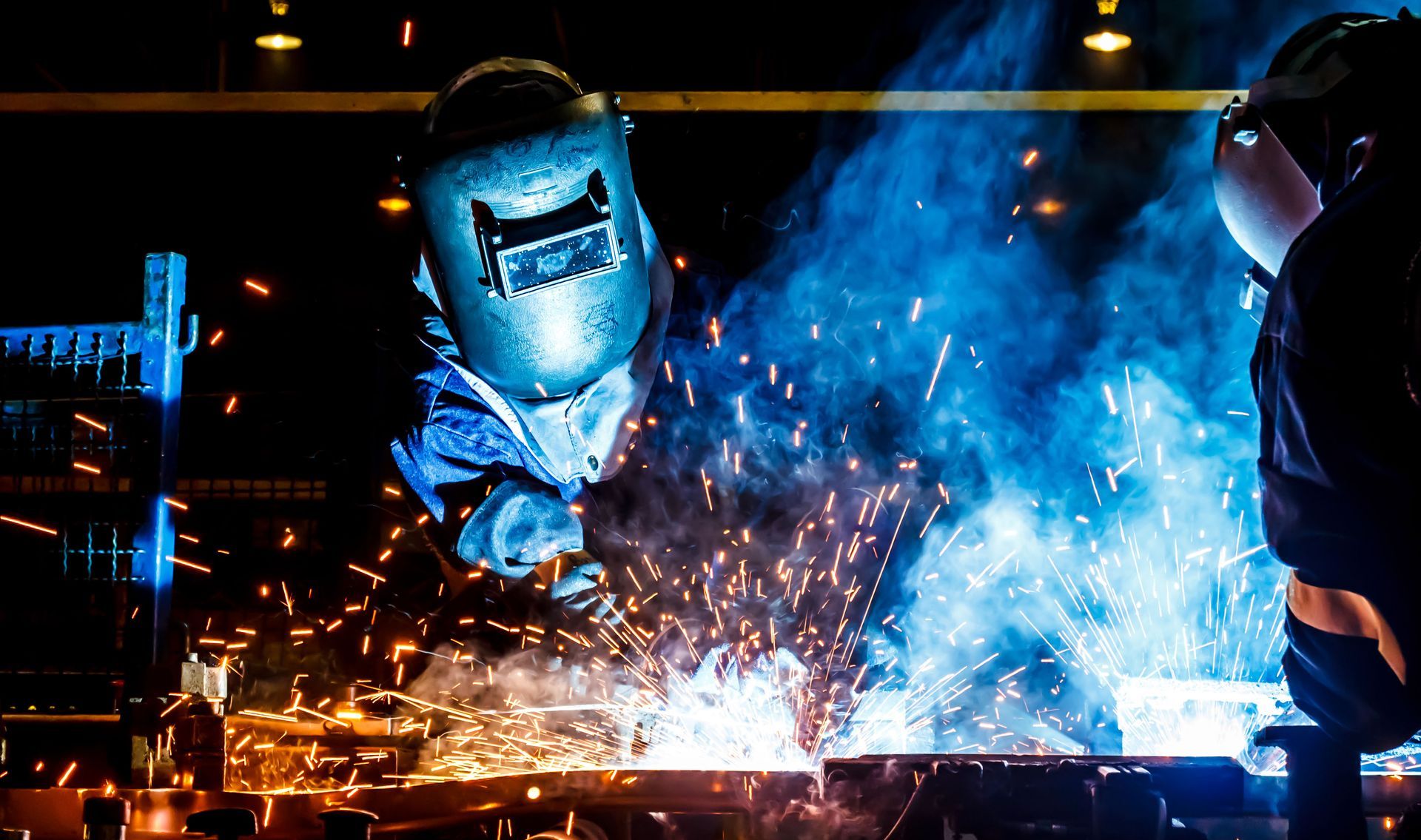
Welding allows separate metal pieces to be joined together to create finished assemblies. This process is commonly used when fabricated components require multiple pieces to be combined into one completed part. Welding helps support the creation of custom metal solutions based on project requirements.
Welding capabilities support custom fabrication projects by helping transform individual components into completed assemblies. Different welding methods can be selected based on material and project requirements. This process allows manufacturers to create durable connections between fabricated parts.
Refined Finished Components
Remove Excess Material
After fabrication processes are complete, finishing steps help prepare components for their intended application. Finishing processes remove sharp edges and excess material left behind during cutting and fabrication, creating smoother finished parts. This process helps improve the final condition of fabricated components.
Finishing processes help improve the overall condition of fabricated components. These steps are an important part of producing clean, properly prepared metal parts. Finishing services help ensure components are ready for their next stage of use or assembly.
Prepare Metal Edges
Beveling is a fabrication process used to prepare edges on certain metal components. This process can be performed on materials such as sheet metal, plate, tube, and pipe to create the required edge profile for a project. Proper preparation helps support additional fabrication requirements.
Proper edge preparation supports additional fabrication steps and helps ensure components are shaped according to project specifications. Beveling provides an option for projects that require specific edge designs. This process works alongside other fabrication methods to complete customized metal parts.
Specialized Metal Solutions
Fabricate Custom Enclosures
Custom fabrication can be used to create enclosures and housings designed around specific requirements. Fabricated metal enclosures can be shaped, cut, and assembled to provide a customized solution for different applications. These components can be developed according to project specifications.
Using processes such as forming, punching, and welding, manufacturers can produce enclosures with the necessary dimensions and features for each project. These fabrication methods allow components to be adjusted based on material needs and design requirements. Custom solutions provide flexibility compared to standard metal products.
Produce Brackets and Components
Fabricated brackets and components can be created through precision metal fabrication processes. Custom designs allow businesses to request parts that match their required measurements, shapes, and specifications. These components can support a variety of manufacturing needs.
Processes such as cutting, forming, and welding help create components that are ready to be incorporated into larger assemblies or used as individual fabricated parts. Each process contributes to producing accurate and consistent metal pieces. Custom fabrication allows these parts to be developed around specific requirements.
Broad Fabrication Projects
Combine Multiple Capabilities
Sheet metal fabrication often involves several processes working together to complete a finished component. Cutting, forming, punching, welding, and other services can be combined depending on the needs of each project. Using multiple capabilities allows manufacturers to support more detailed fabrication requirements.
Using multiple fabrication methods allows manufacturers to complete more complex projects while maintaining consistency throughout production. Each process contributes to the creation of accurate and properly finished components. Combining services provides a more complete approach to custom metal fabrication.
Handle Different Production Needs
Fabrication services can support a variety of production requirements, including prototypes, custom parts, and short-run manufacturing. Flexible production options allow businesses to request components based on their specific timelines and quantities. This adaptability helps support projects with different manufacturing goals.
FabEx, Inc. provides custom metal fabrication solutions for businesses seeking precision sheet metal work, specialized components, and short-run production support. To learn more about our fabrication capabilities and how we can support your project, explore the solutions offered by FabEx, Inc.